This webinar takes you inside the diaphragm: its anatomy, innervation, fascial continuities, and its role in organ mobility, circulation, and nervous system balance.
We connect classical anatomy with fascia science and energy perspectives, giving you a clearer map for precise and effective clinical work.
The respiratory diaphragm is more than a breathing muscle, it is a central regulator of pressure, rhythm, and communication between the thorax and abdomen.
In reflexology, we work its reflex routinely, but often without fully understanding its depth.
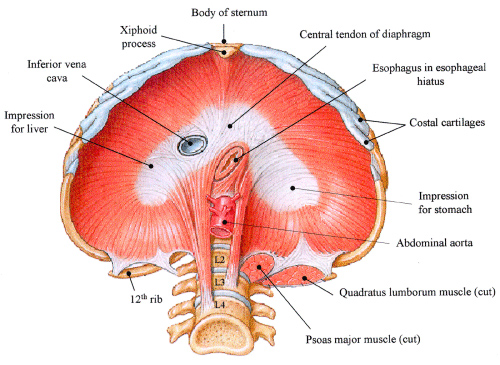
Anatomy and biomechanics- Structure: domes, crura, central tendon
- Openings: aortic, esophageal, caval
- Movement patterns in respiration
- Relationship to ribs, spine, and sternum
Innervation and neurophysiology- Phrenic nerve and its significance
- Vagus nerve interaction and autonomic regulation
- Breathing and the brainstem
- Clinical implications for stress and regulation
Fascia and continuity
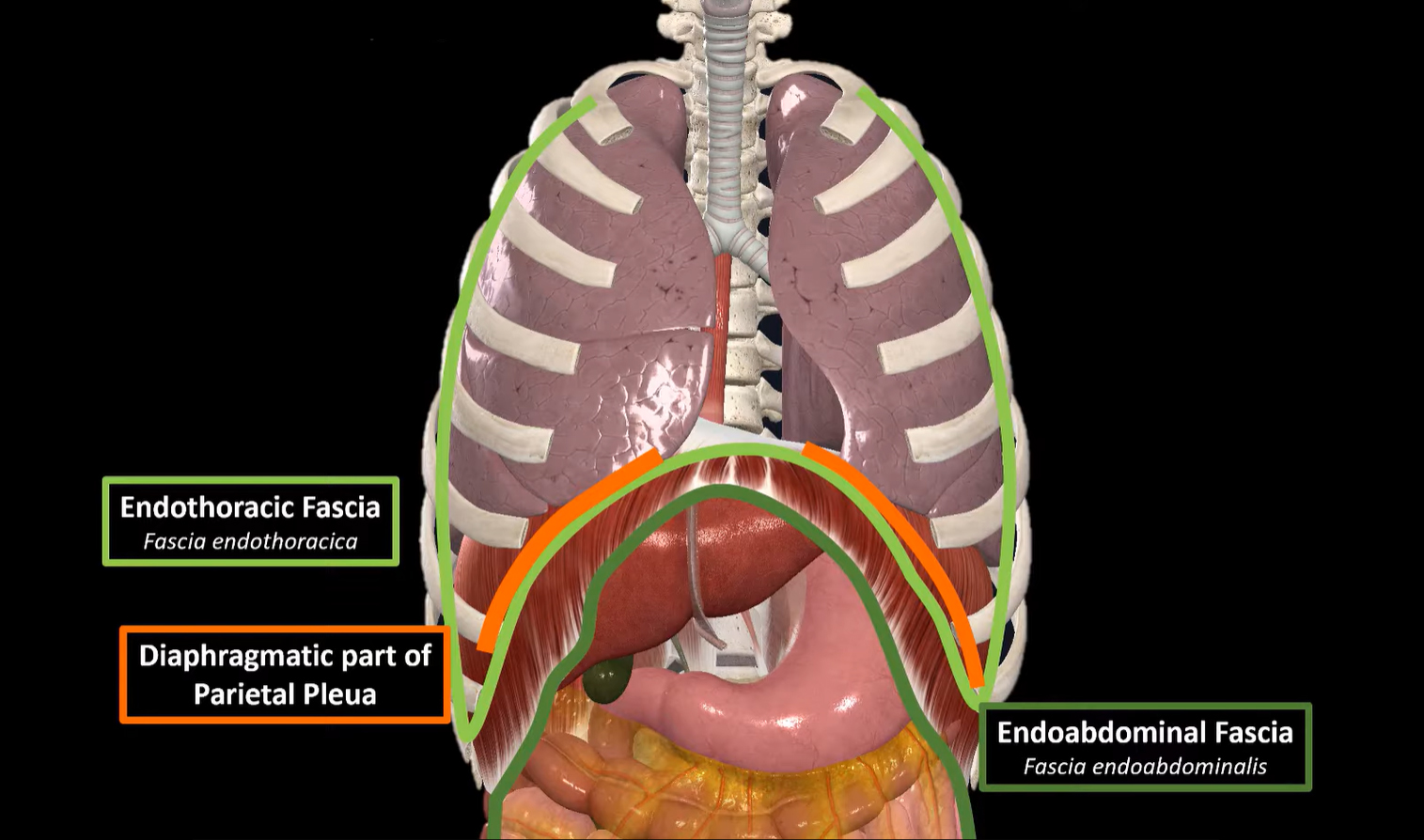
- Diaphragm within the fascial network
- Links to psoas, pericardium, pleura, and peritoneum
- Coupling with pelvic diaphragm, thoracic inlet, tentorium
Organ dynamics and pressure systems
- Influence on liver, stomach, intestines
- Venous and lymphatic return
- Intra-abdominal and intrathoracic pressure balance
The diaphragm reflex in practice
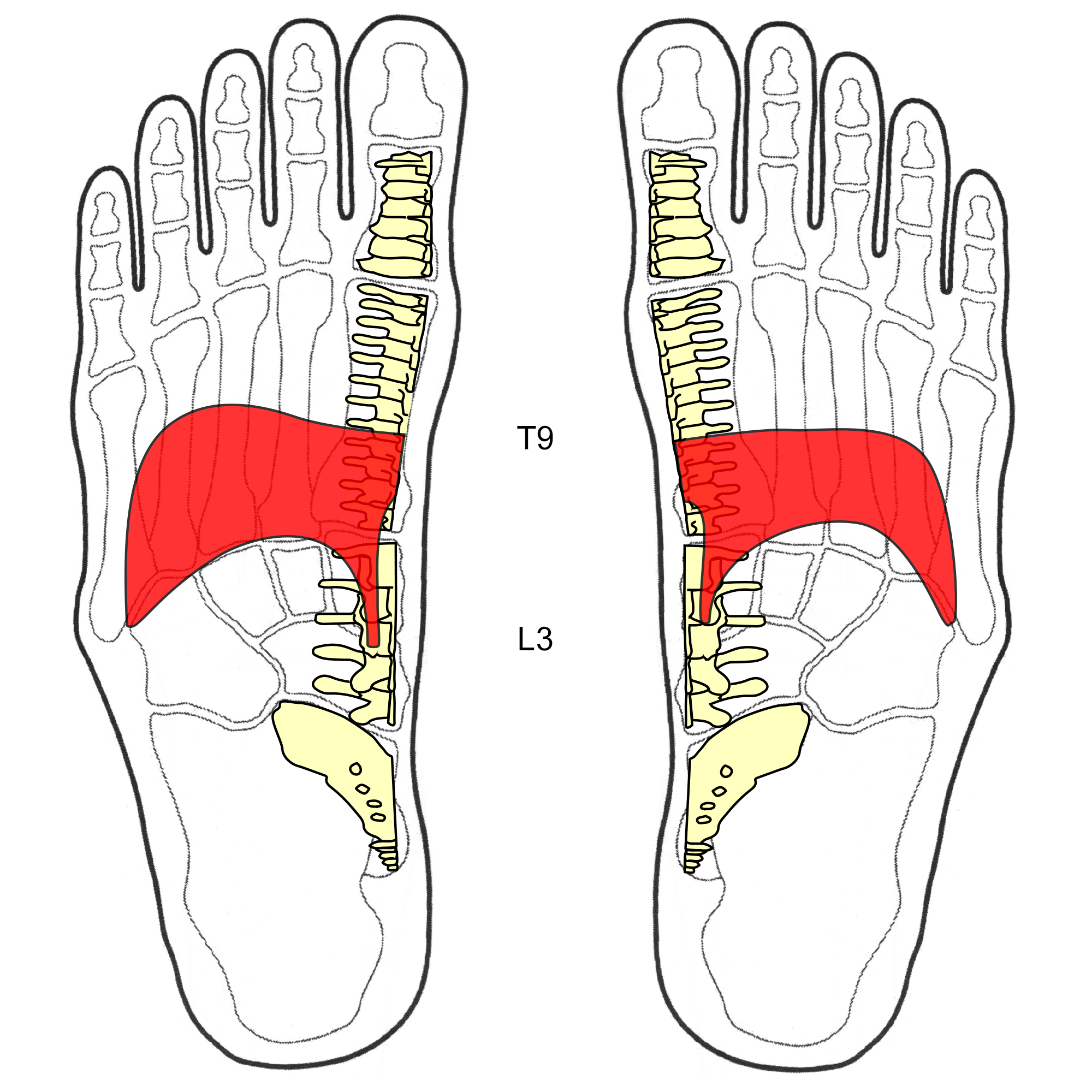
- Precise location and assessment on the foot
- Techniques: release, modulation, integration
- Linking diaphragm reflex to other key reflexes
Pathologies and dysfunction patterns
- Restricted breathing patterns
- Hiatal hernia, reflux, tension patterns
- Chronic stress and diaphragm holding
- Postural and musculoskeletal consequences
Energy and resonance perspective- Diaphragm as a rhythm and resonance interface
- Breath, emotion, and energetic flow
- Working with stillness and pauses in treatment
Clinical integration- How to structure a session with diaphragm focus
- Case examples and practical takeaways