Please wait... this page is loading



Round about: Fertility
You can buy access to the video(s) below and watch them on MyTouchpoint after payment
Price: 199 EUR
You need to log in or create an account to buy access.


About the Webinar
Round about: Fertility
Timezone
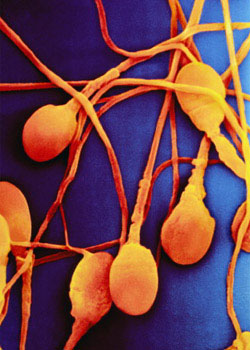
Every sixth couple experience problems reproducing themselves. Giving
both the male and the female body the best possible condition for
conceiving a new human being is a great task. It is therefore important
to know about the most common causes of infertility, like: The condition
of mucous membranes, quality of semen, nutritional status, low
metabolism, stress, the iliopsoas and other pelvic muscles, hidden
infections, the spine and of course the hormonal system and reproductive
organs.
Subjects for the workshop

In
only 35% of all infertility cases, conventional medicine is able
to identify the underlying cause. Especially within the remaining 65% reflexologists are often able to help.
Our aim is to present the newest knowledge within complementary as well as conventional fertility treatments.
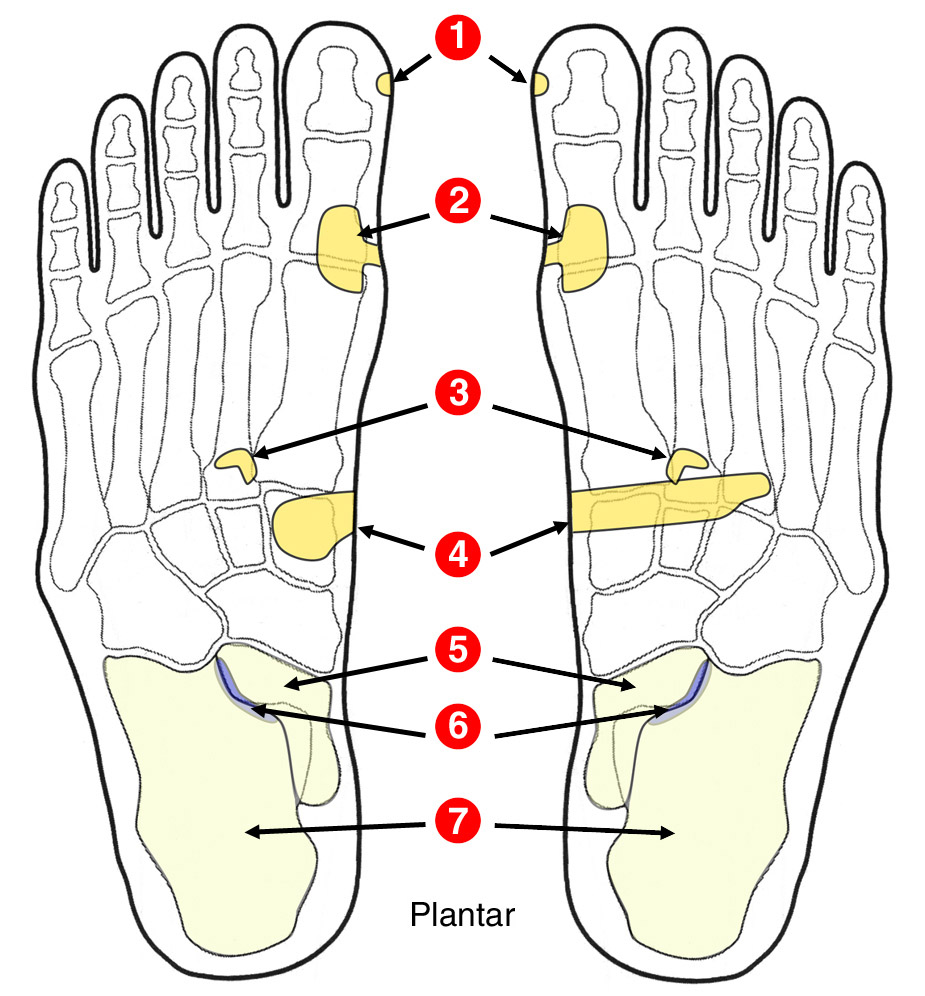

 Pelvic area in Karl-Axel Lind, System II

 Ovaries and tubes in K.A.Lind, system I
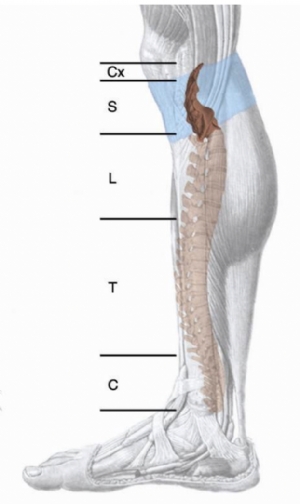
In the developing fetus both the testis and the ovaries are formed in the thoracic cavity at the level of T10 and receives their nervous supply from this level. During the course of development they travel down into the scrotum and pelvis respectively, dragging their nerves along.
Ovaries and tubes in K.A.Lind, system I
In the developing fetus both the testis and the ovaries are formed in the thoracic cavity at the level of T10 and receives their nervous supply from this level. During the course of development they travel down into the scrotum and pelvis respectively, dragging their nerves along.
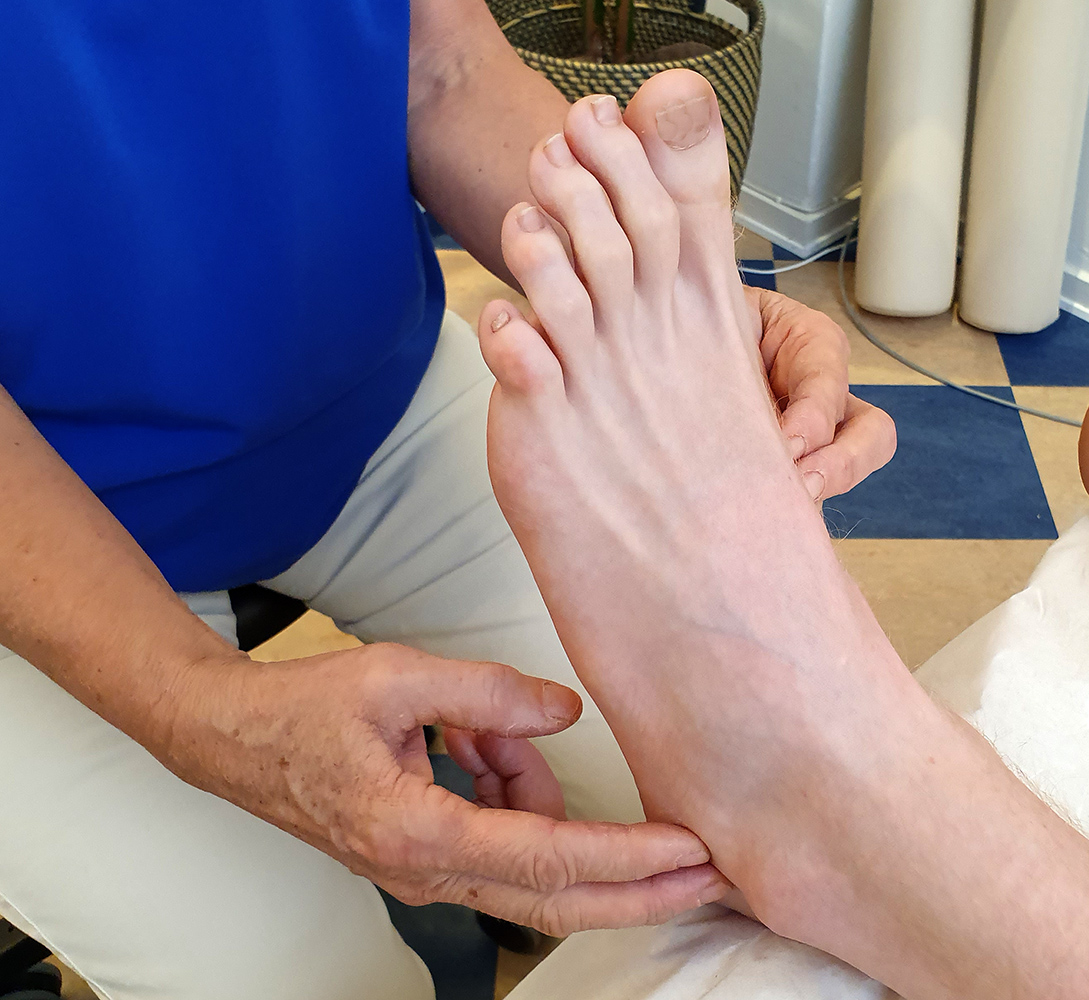
Work sequence
 The work sequence shows all the techniques we teach in the workshop.
In Touchpoint’s continuing education classes we primarily
present techniques from classical and Nerve Reflexology, and a few
selected body techniques.
Towards the end of the course, we discuss the work sequence,
which, built on our clinical experiences, is meant as an inspirational
tool and a way to remember the new techniques.
Instructors
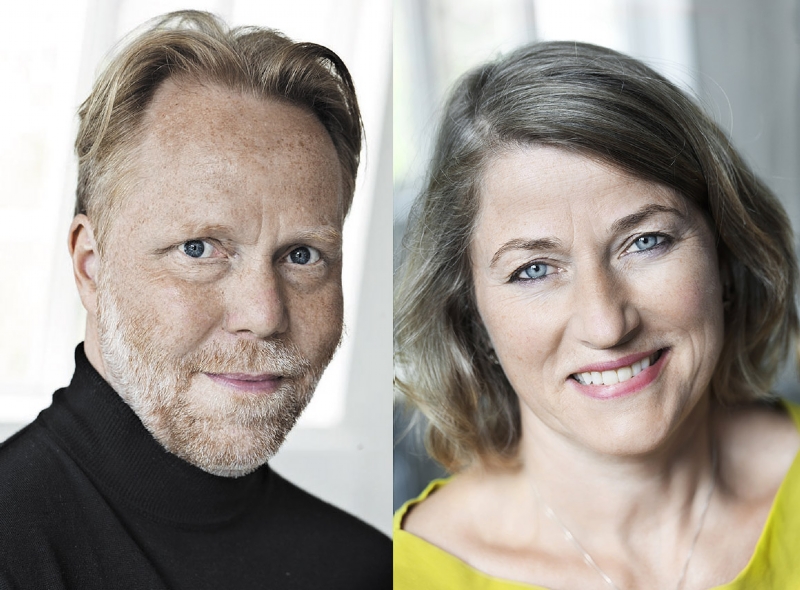
Dorthe Krogsgaard & Peter Lund Frandsen

Ryesgade 27
DK-2200 Copenhagen N
Denmark
Tel: (+45) 2575 7047
Email >