


The sternum is often described as a flat bone protecting the heart and lungs. But seen through a fascial lens, it is far more than passive protection. The sternum functions as a fascial hub — a central meeting point where multiple tension lines, information pathways, and energetic fields converge. In other words: it is a place where structure, function, and regulation intersect.
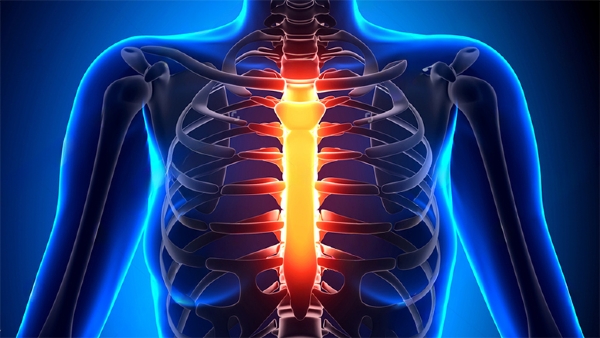
What does “fascial hub” mean?
Fascia is a continuous, body-wide connective tissue network that transmits force, sensation, hydration, and information. A fascial hub is a region where many fascial continuities intersect and where small changes can propagate widely. The sternum sits exactly there — in the midline, anchoring fascia that connects the arms, neck, ribs, diaphragm, spine, and visceral system. Through the principle of biotensegrity, the sternum helps balance tension between compression (bones) and tension (fascia), influencing posture and movement far beyond the thorax.
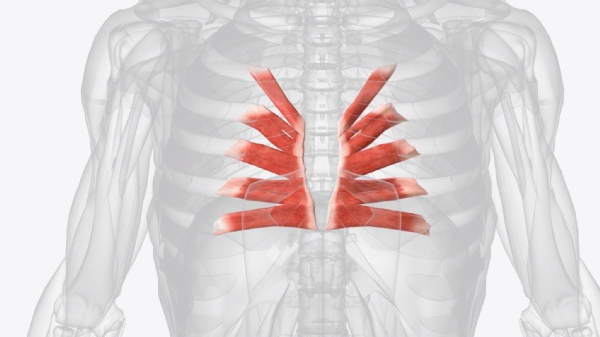
Fascial connections and energy fields
From the sternum, fascial lines extend into the pectoral girdle, the cervical fascia toward the throat and jaw, the posterior thoracic fascia toward the ribs and spine, and downward through the diaphragm into the abdominal and pelvic cavities. These connections overlap with autonomic and vascular pathways, which explains why sternum work can feel systemic rather than local.
In alternative medicine traditions, the sternum is closely associated with the heart chakra — the energetic center of connection, regulation, and emotional balance. Whether described as subtle energy, biofields, or interoceptive signaling, many practitioners observe that gentle engagement of the sternum can shift emotional tone, breathing depth, and sense of safety. From this perspective, the sternum acts as a bridge between physical fascia and energetic fields.
How can the sternum be used in therapy?
Therapeutically, the sternum is powerful because it responds well to minimal input. Slow, precise, non-forceful techniques can influence fascial tone, breathing patterns, and autonomic balance. Working with the sternum may:
Soften protective anterior tension Improve rib and diaphragm mobility Support vagal regulation and calm states Create global postural reorganisation through fascial continuity
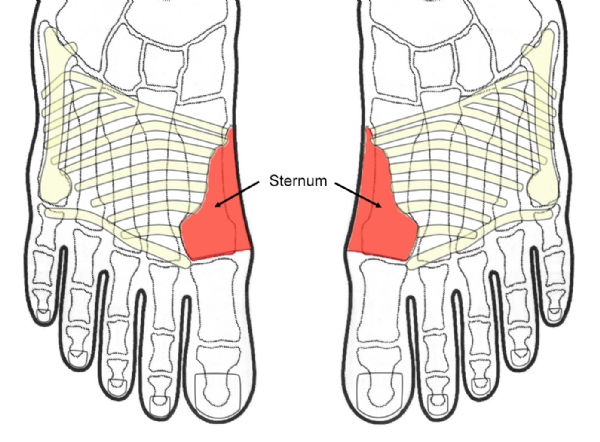
Why is this important for reflexologists?
The sternum mirrors the reflexological principle that small, well-chosen inputs can have whole-body effects. The sternum behaves much like a microsystem: rich in connections, neurologically sensitive, and energetically charged.

Ryesgade 27
DK-2200 Copenhagen N
Denmark
Tel: (+45) 2575 7047
Email >